Pulmonary embolism (PE) is one of the most challenging respiratory emergencies EMS providers encounter. Patients often present with nonspecific symptoms and relatively normal lung sounds, but their condition can rapidly progress to hemodynamic collapse if left untreated. Because definitive diagnosis requires hospital-based imaging and testing, prehospital providers must rely on assessment findings, patient history, and […]
Ventilation-perfusion mismatch, commonly called V/Q mismatch, is one of the most important concepts in respiratory assessment. It explains why two patients with the same oxygen saturation can present with completely different underlying problems. For EMS providers, understanding V/Q mismatch helps move assessment beyond symptom and toward physiology. Instead of simply recognizing that a patient is […]
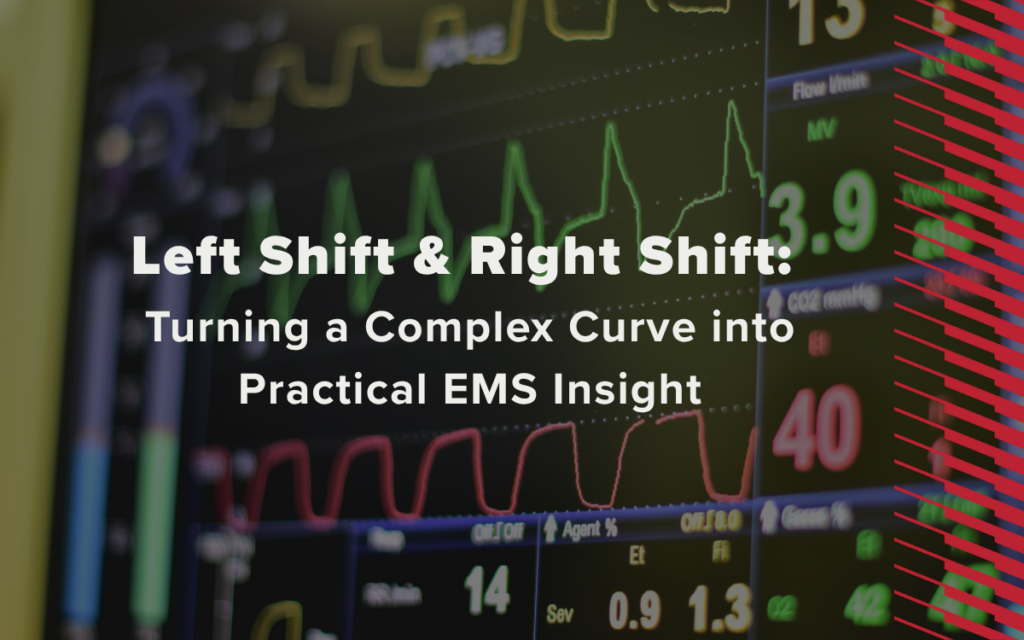
The oxygen-hemoglobin dissociation curve can feel abstract until you connect it to real patients. For EMS providers, the curve matters because it explains a simple but critical question: how easily does hemoglobin pick up oxygen, and how easily does it let that oxygen go at the tissue level? That is the difference between a left shift and […]
End-tidal carbon dioxide (ETCO2) gives EMS providers more than a respiratory number. It provides a real-time window into ventilation, perfusion, and metabolism, making capnography one of the most valuable monitoring tools in prehospital care. Every time a patient exhales, ETCO2 shows how effectively carbon dioxide moves from the tissues to the lungs and out of the […]

Every EMT remembers learning a million things in school and immediately forgetting half of them once the pager went off. That is normal. What separates solid EMTs from overwhelmed ones is not memorization. It is skill mastery. These are the essential EMT skills that show up again and again on real calls. Not the obscure […]

A Real World Look at the Most Underrated Job in Healthcare Ask ten people what an EMT does and you will probably hear something like “they drive the ambulance” or “they show up after the firefighters.” If you are an EMT reading this, take a deep breath, don’t blame the messenger. I’ve been there and […]
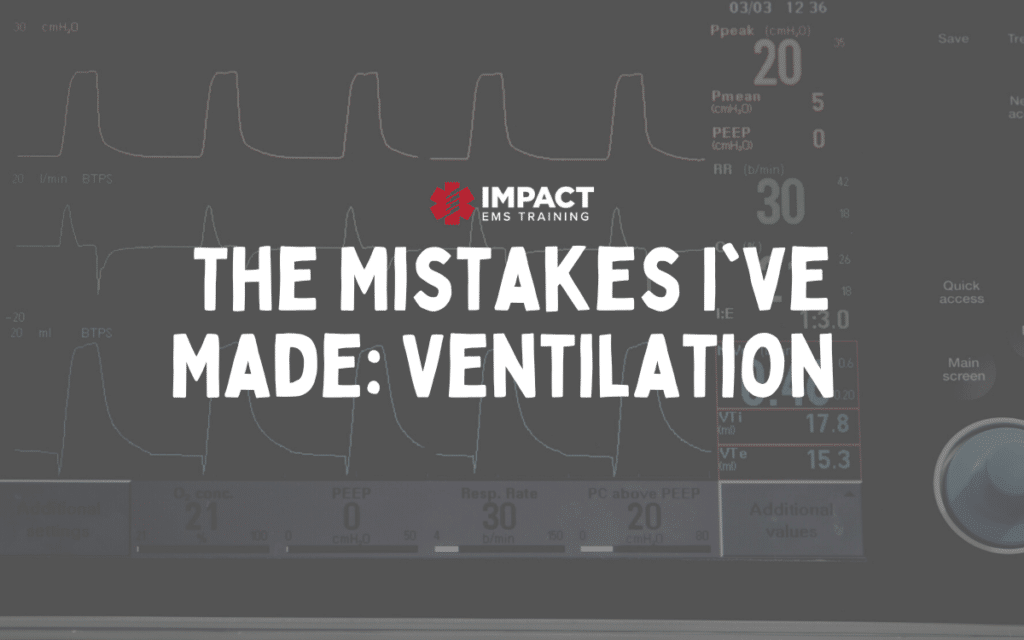
Table of Contents Have you ever transported a patient that feels like a complete train wreck? No matter how much you try, it seems that nothing is going right, and the patient keeps getting worse. Let me tell you about a recent experience I had with a nothing-helps-patient-continues-to-deteriorate situation. It was a beautiful, summer day […]
Once upon a time (reader, it was yesterday), I had a funny idea for comparing ventilator modes using Miss Trunchbull as assist control and Miss Honey as SIMV. My personal preference is SIMV, but I wanted to understand why SOME OF YOU WEIRDOS default to AC. So, like the astute researcher I am, I turned […]
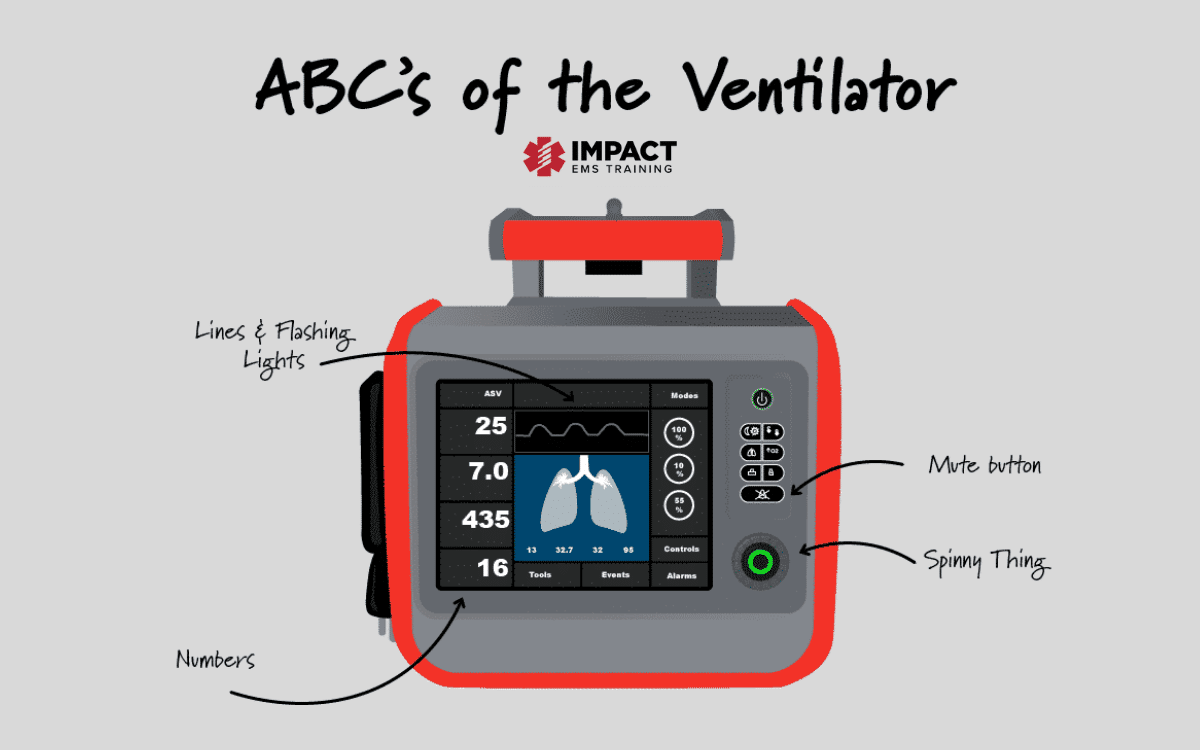
By: Justin Krantz, NRP, CCEMT-P, FP-C What was one of your biggest fears when starting critical care transport? Did I hear you say, “the vent?” That is ok it was mine as well. A few flight and critical care programs require little to no prior training on the ventilator. However, they usually provide formal […]
Chelsea Epling, BSN, RN, MCCN, EMT-P I figured I’d start this one out with a disclosure. This is going to be more geared towards the nurses than it is toward the medics. Let’s face it, you all are just initially better trained on ventilators than we are. Take a look at my experience. I started […]