
I had let my guard down, which was a mistake and it backfired. The first step after my mistake was to panic, and I think those around me at the time would say I did a pretty good job of it. 4 hours earlier I was relaxing at our crew house and probably arguing about […]

Neurogenic Pulmonary Edema Neurogenic pulmonary edema (NPE) is a clinical syndrome characterized by the acute onset of pulmonary edema following a significant CNS insult. While there are a few theories, the etiology is unknown. Out of the ‘big 4’ theories, I’m going to go over two, neuro-cardiac and blast theory. Neuro-Cardiac Theory This theory characterizes […]
The use of neuromuscular blocking agents (NMBA) during rapid sequence intubation (RSI) is arguably the cornerstone of the procedure. NMBA paralytics prevent gagging when utilizing a laryngoscope during intubation and allow for a more complete view of the glottis versus sedatives alone (Caro, 2020). NMBAs used in RSI can be categorized into two different types: […]
Ventilator management strategies are all that glitters in the EMS community right now. ???? All the cool podcasters are talking about it; the bloggers are bloggin’ blogs about recruitment maneuvers and pronation of intubated patients. Vent management is the skinny jeans of EMS education. But I’m kinda dorky, and I take great care to not […]
Stay and Play We’ve all had those critical patients: the ones circling the drain when we show up who bring the “pucker factor.” As EMTs and paramedics, our first reaction is to “grab and go” and get that patient to the familiar environment of our ambulance. It makes sense, right? That’s our office, all of […]

By Jaren Jarrell You’re 8 hours into your 24-hour shift. It’s been a grueling day and you have hit your critical thinking max. There it is…the tones drop once again! “EMS base, truck 12 respond to a 3-month-old male, reference patient not breathing.” The initial anxiety of a pediatric call hits you. This is not […]
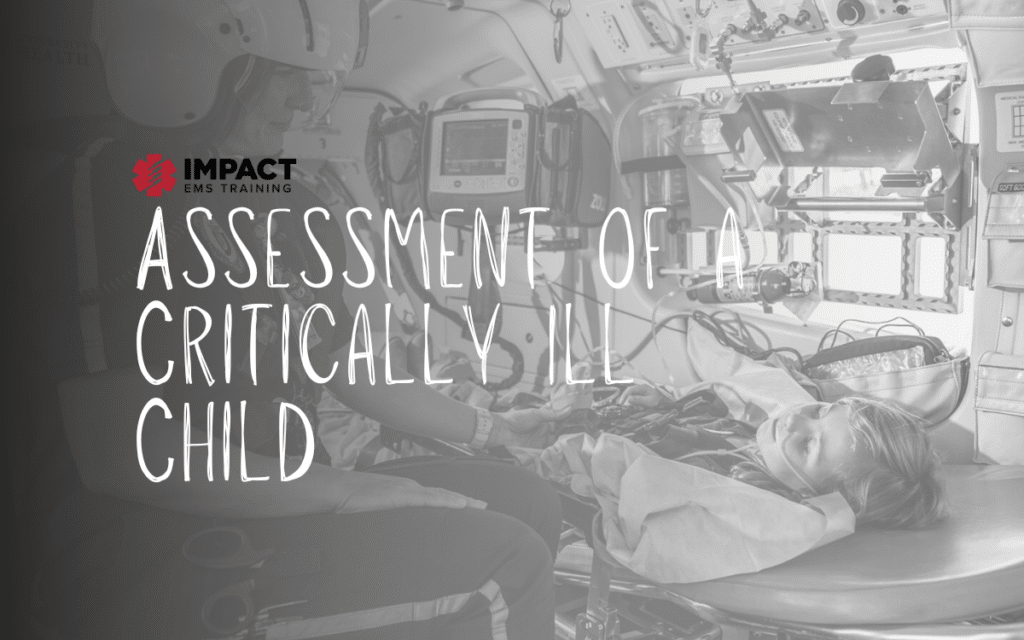
So, as you all know we have had the opportunity to have Dr. Peter Antevy join us a couple of times and talk about pediatrics. When it comes to kids let’s face it, we all tend to get scared, our nerves shoot through the roof and it becomes the most stressful call of our career. […]
Jeremy Singleton, RN, CEN Intranasal (IN) administration of medications is an excellent tool that serves a wide variety of situations that may be seen in the prehospital/emergency environment. The ability to deliver medication in seconds without a needle saves the patient from a potentially traumatic experience while allowing the clinician to initiate treatment much quicker […]

By, Jaren Jarrell FP-C, NRP How many times has a physician or respiratory therapist looked at you curiously while clamping an ETT? I can honestly say for myself, every single time. Then on the other hand the respiratory therapist is rushing to swap circuits so fast, theirs is off before I can turn the ventilator […]
Airways are Sexy I was at an airway lecture as a baby medic and the instructor said “Airways are sexy. It’s the sexiest, most badass thing we get to do.” Sounds goofy, but he was right: airways are sexy. So, we’ve talked about cardiac arrest physiology, ITDs, Heads-up CPR, and more. All that stuff […]