Dehydration is one of the most common medical conditions EMS providers assess in the field. Although mild dehydration may cause only thirst and fatigue, severe fluid loss can quickly progress...
Read MoreDehydration is one of the most common medical conditions EMS providers assess in the field. Although mild dehydration may cause only thirst and fatigue, severe fluid loss can quickly progress...
Read MoreEMS professionals routinely work in some of the most challenging environments. While first responders focus on recognizing heat emergencies in patients, they must also recognize the warning signs in themselves...
Read MoreA patient is sitting upright, struggling to breathe, and wheezing loudly. Your first thought is asthma. Then your assessment continues. The patient is hypertensive, diaphoretic, and coughing up pink, frothy...
Read MorePatient assessment is more than completing a checklist. Every patient encounter requires EMS clinicians to gather limited information, recognize life-threatening conditions, make timely decisions, and adjust their treatment plan as...
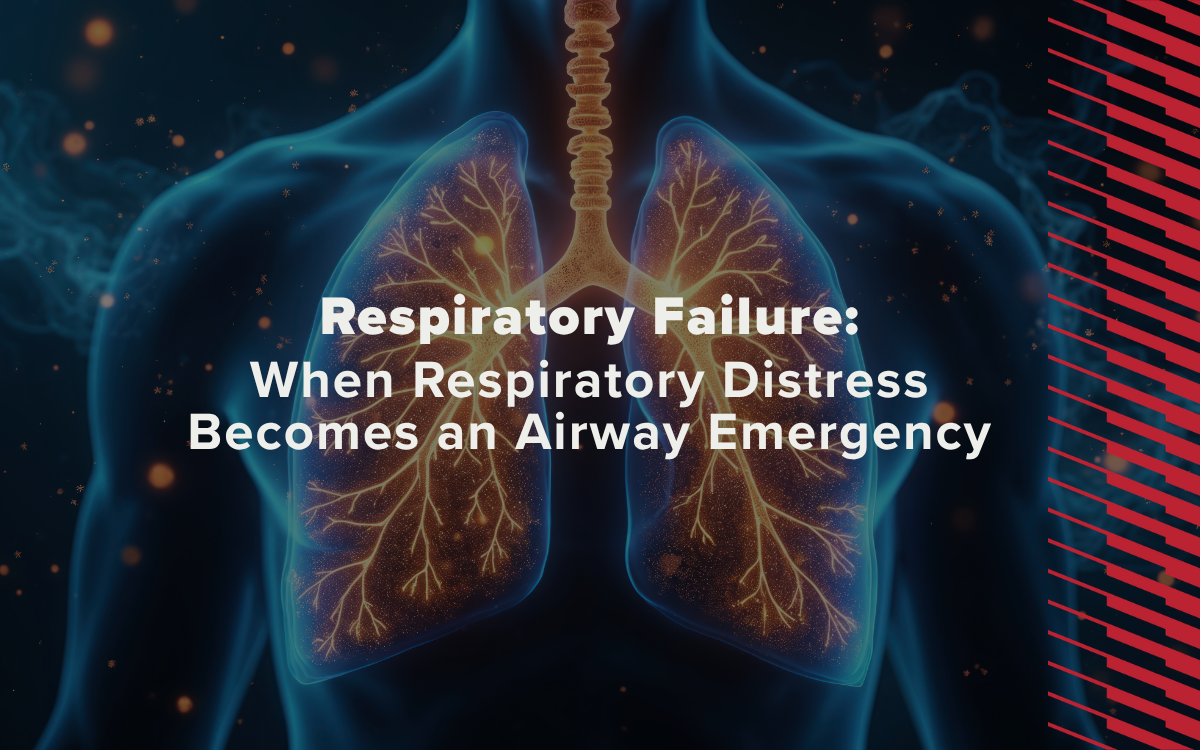
Read MoreShortness of breath is one of the most common complaints encountered in prehospital medicine. Most respiratory patients present somewhere along a spectrum ranging from mild distress to complete respiratory failure....
Read MorePulmonary embolism (PE) is one of the most challenging respiratory emergencies EMS providers encounter. Patients often present with nonspecific symptoms and relatively normal lung sounds, but their condition can rapidly...
Read MoreRespiratory emergencies are among the most common and high-risk calls EMS providers encounter. Whether a patient presents with wheezing, crackles, hypoxia, or severe respiratory distress, effective treatment begins with understanding...
Read MoreMost ambulance safety training focuses on avoiding crashes, EVOC, speed management, intersection clearing, and/or backing drills, which are all necessary. But very few agencies or departments train crews for what...
Read MoreVentilation-perfusion mismatch, commonly called V/Q mismatch, is one of the most important concepts in respiratory assessment. It explains why two patients with the same oxygen saturation can present with completely...
Read MoreNot all sepsis starts with disease. Some of it starts with us. Iatrogenic sepsis, caused by healthcare interventions, accounts for a significant portion of sepsis cases. In emergency medicine, the...
Read MoreFew debates in EMS are as persistent, or as misunderstood, as “scoop and run” versus “stay and play.” Many providers feel pressure to pick a side early in their careers,...
Read MoreEight seconds can feel like thirty minutes. Every experienced EMS provider knows that feeling. The rollover begins. The windshield tilts sideways. Somebody screams. The radio keeps playing. Your brain suddenly...
Read MoreThe hardest part is not always the call. Sometimes it is returning home afterward. The silence. The moment somebody finally asks, “Are you okay?” and your brain suddenly realizes the...
Read MoreEmergency responders manage behavioral and psychiatric symptoms on nearly every shift: anxiety before transport, agitation caused by hypoxia, or combativeness related to intoxication or altered mental status. These behavioral cues...
Read MoreEmergency responders excel at recognizing subtle behavioral changes in patients. EMS professionals routinely identify altered mental status, mood shifts, and stress responses within minutes of arrival. Yet many providers struggle...
Read More