Dehydration is one of the most common medical conditions EMS providers assess in the field. Although mild dehydration may cause only thirst and fatigue, severe fluid loss can quickly progress to hypovolemic shock, especially in young children, older adults, and patients with prolonged illness or heat exposure. Early recognition allows EMS clinicians to begin appropriate […]
Not all sepsis starts with disease. Some of it starts with us. Iatrogenic sepsis, caused by healthcare interventions, accounts for a significant portion of sepsis cases. In emergency medicine, the environment, pace, and procedures create real risk. The good news: most of it is preventable. Environmental Risk EMS operates in uncontrolled environments: Trauma scenes Outdoor […]
Every EMS provider enters the field focused on doing the right thing. You learn the steps, memorize protocols, and work hard to perform every intervention correctly. That structure build safety, consistency, and confidence early in your career. But over time, something changes. You stop focusing on doing everything, and start focus on doing what matters. […]
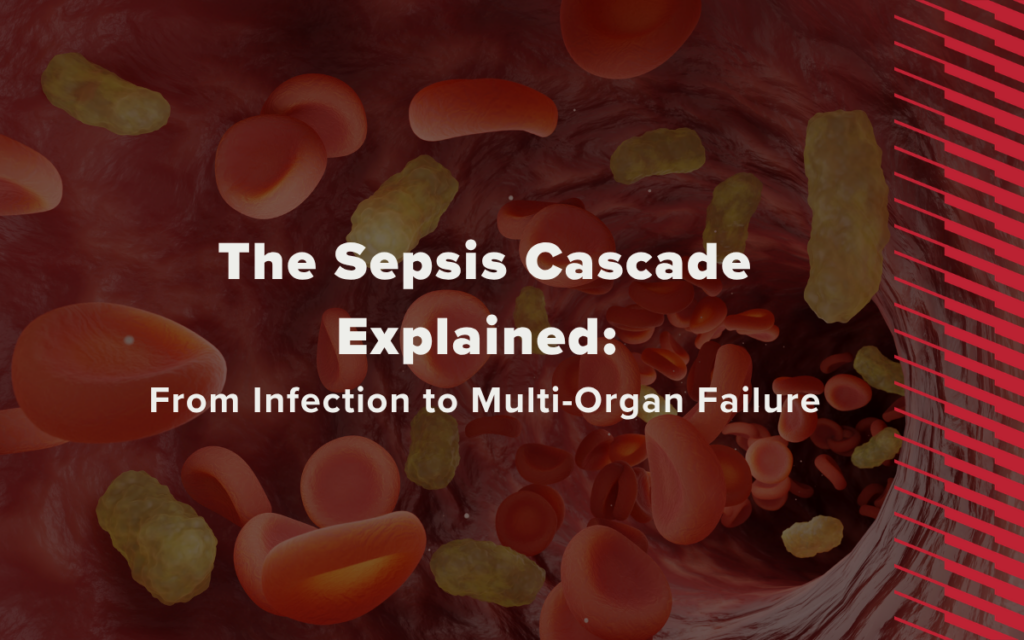
Sepsis is a progressive chain reaction that turns a localized problem into a system-wide failure. Understanding this cascade helps EMS providers recognize severity early and act quickly. Step 1: Local Infection Every case of sepsis starts with a localized infection. Common sources include urinary tract infections, pneumonia, abdominal infections, and skin and soft tissue infections. […]

Every EMT remembers learning a million things in school and immediately forgetting half of them once the pager went off. That is normal. What separates solid EMTs from overwhelmed ones is not memorization. It is skill mastery. These are the essential EMT skills that show up again and again on real calls. Not the obscure […]
Mass casualty incidents do not care how prepared you feel. One moment you are running a routine call and the next you are surrounded by more patients than resources. This is where trauma triage and tagging becomes one of the most important skills in EMS. Triage is not about being perfect. It is about doing […]
Background Antibiotics are one of the cornerstones of therapy in the treatment of sepsis/septic shock, however, according to the Surviving Sepsis Campaign (SSC) guidelines, time to antibiotics is a core measure, though there is weak evidence in support of this. Most of the evidence supporting this is based off retrospective studies that showed delays in […]
Recently I worked a week-long special event as an ALS/CC capable transport unit. Posted in the middle of nowhere and surrounded by thousands of people taking more drugs than a pharmacy carries, I knew it was bound to be quite the week. On our second day, my partner and I were cruising along people-watching when […]
Whether you work in the back of an ambulance, a helicopter, or a hospital, you likely have many tools to assist you in assessing and treating your patient. Tools such as monitors, a stethoscope, dopplers, thermometers, ultrasound units, glucometers and iStat machines, TOCO monitors, and endless imaging devices. Healthcare has created advanced technology for looking […]
By: Jaren Jarrell FP-C, CCEMT-P, NRP From country lyrics to inspirational quotes, “dying from a broken heart” is a widespread line. But, who would have thought that you can actually die or suffer from heartache? I am not talking about the type of despair that Spencer and Heidi from “The Hills” caused us in 2010. […]